Monday, 11 February 2019

Mono-Ethylene Glycol Market 2019 | Global Growth by Manufacturers, Major Application Analysis & Forecast To 2023

Market Synopsis:

The Global Mono-Ethylene Glycol Market is presumed to post a steady CAGR during the forecast period (2017-2023) owing to rapid urbanization, asserts Market Research Future (MRFR). Mono-Ethyl Glycol (MEG) is referred to as an odorless and colorless syrup liquid which possesses a sweet taste. It is produced from ethylene via ethylene oxide and is further hydrated through thermal or catalytic process. Mono-Ethylene Glycol is an important raw material used to manufacture resins, heat transfer fluids, deicing fluids, water-based adhesives, automotive antifreeze and coolants, electrolytic capacitors, latex paints and asphalt emulsions, leather, textile fibers, and paper.

Drivers and Constraints Impacting the Market:

With the increasing demand for Mono-Ethylene Glycol in the production of polyethylene terephthalate and polyester fiber, the market is considered to flourish across the globe. Polyethylene terephthalate is extensively used in packaging items such as bottles and tetra packs owing to its bio-degradability which is considered to fuel the market growth. Also, with the growth in industrial sectors such as agriculture, manufacturing, mining, and others, the Global Mono-Ethylene Glycol Market is estimated to foster the market growth during the assessment period. Additionally, rapid industrialization and urbanization coupled with rising population are expected to contribute to the market growth. Moreover, growing demand for polyester fiber from the textile industry has triggered the production of mono-ethylene glycol. Mono-Ethylene Glycol also possesses superior properties such as low freezing point, high viscosity, and high boiling point, and is thus employed in the deicing materials and manufacture coolants. This is further estimated to offer impetus to the global market during the review period.

Get Sample PDF of Report with Your Corporate E-mail ID @ https://www.marketresearchfuture.com/sample_request/2709

On the flip side, health hazards associated with Mono-Ethyl Glycol are estimated to retard the market growth to a large extent. Ethylene-glycol breaks down in the body to form chemicals that crystallize in the kidney, thus affecting the kidney function. It also forms acidic chemicals in the body which alters the body’s acid/base balance, thereby affecting the nervous system, heart, and lungs. Moreover, the volatility in raw material prices is considered to impede the market growth in the coming years.

Industry Updates:

November 29, 2018: China's National Standardization Administration has recently issued a new national standard for mono-ethylene glycol GB/T 4649-2018 for industrial use. The revised quality specifications will witness the purity of content increasing from the existing 99.8% to 99.9%, and water content will be reduced to 0.08% from 0.1%.

Competitive Dashboard:

The prominent players operating the Global Mono-Ethylene Glycol Market are MEGlobal (UAE), LOTTE Chemical CORPORATION (South Korea), Formosa Plastics Corporation (Taiwan), Akzo Nobel N. V. (Netherlands), Mitsubishi Chemical Corporation (Japan), SABIC (Saudi Arabia), Royal Dutch Shell plc (Netherlands), The Dow Chemical Company (U.S.), China Petroleum & Chemical Corporation (China), Exxon Mobil Corporation (U.S.), and BASF SE (Germany).

Global Mono-Ethylene Glycol Market: Segmental Analysis

The Global Mono-Ethylene Glycol Market has been segmented on the basis of application, End-Use Industries and Region.

By Mode of Application, the Global Mono-Ethylene Glycol Market has been segmented into polyethylene terephthalate, polyester fiber, solvent, antifreeze & coolants, chemical intermediate, and others. Among these, the polyester fiber application accounts for the major market share owing to the increasing demand from the textile industry. Polyethylene terephthalate (PET) bottles account for the second largest share and are estimated to expand at the fastest rate owing to the rising demand for packaging from the F&B industry.

By Mode of End-Use Industries, the Global Mono-Ethylene Glycol Market has been segmented into automotive, packaging, chemicals, textiles, leather, paper, and others.

View Complete TOC with Tables and Figures @ https://www.marketresearchfuture.com/reports/mono-ethylene-glycol-market-2709             
                        
About Market Research Future:

At Market Research Future (MRFR), we enable our customers to unravel the complexity of various industries through our Cooked Research Report (CRR), Half-Cooked Research Reports (HCRR), Raw Research Reports (3R), Continuous-Feed Research (CFR), and Market Research & Consulting Services.

MRFR team have supreme objective to provide the optimum quality market research and intelligence services to our clients. Our market research studies by Components, Application, Logistics and market players for global, regional, and country level market segments, enable our clients to see more, know more, and do more, which help to answer all their most important questions.

Contact: Market Research Future
+1 646 845 9312
Email: sales@marketresearchfuture.com

Sunday, 10 February 2019

Bio-Based Chemicals Market 2019 | Global Growth by Manufacturers, Major Application Analysis & Forecast To 2023

Market Scenario:

The Global Bio-Based Chemicals Market is presumed to register a remarkable CAGR during the forecast period (2016-2023) owing to the growing demand for pharmaceuticals, asserts Market Research Future (MRFR). Bio-Based Chemicals are usually derived from biological origin or biomass such as animals, plants, and trees and are classified into biofuels and bioplastics. The increased consumer awareness regarding environmental responsibility is fueling the market growth.

Industry Updates:

November 12, 2018: Scientists have recently discovered a novel method to synthesize furan-2,5-dicarboxylic acid from a glucose derivative of non-food plant cellulose. It paves the way for replacing petroleum-derived terephthalic acid with biomaterials in plastic bottles.

Competitive Dashboard:

The prominent players operating the Global Bio-Based Chemicals Market are NatureWorks LLC (U.S.), Mitsui & Co. Ltd. (Japan), PTT Global Chemical Public Company Limited (Thailand), Koninklijke DSM N.V. (Netherlands), Braskem (Brazil), Mitsubishi Chemical Corporation (Japan), Metabolix Inc. (U.S.), Corbion (Netherlands), BASF SE (Germany), Zhejiang Hisun Biomaterials Co. Ltd (China), TEIJIN LIMITED (Japan), BioAmber Inc. (U.S.), Synbra Holding Bv (Netherlands), Danimer Scientific (U.S.), and Myriant Corporation (U.S.).


Drivers and Constraints Impacting the Market:

The Bio-Based Chemicals Market is expected to expand at a considerable rate owing to the increased oil prices, growing support for Bio-Based Chemical companies, and movement towards sustainability by the manufacturers. Strong support from the government for eco-friendly processes and sources are creating ample opportunities for the Bio-Based Chemicals Market. Due to the growing demand for personal care products and pharmaceuticals, the Global Bio-Based Chemicals Market is considered to flourish. Additionally, strict regulations from the government against synthetic chemicals such as Registration, Evaluation & Authorization of Chemicals and Bio-Preferred Program are triggering the demand for Bio-Based Chemicals across the globe. Moreover, growing demand for disease-free and high crop yield and use of Bio-Based Chemicals as a nutrient and food supplement is contributing to the market growth over the years.

On the flip side, food safety issues coupled with high prices of Bio-Based Chemicals are some of the major concerns impeding the market growth during the assessment period.

Global Bio-Based Chemicals Market: Segmental Analysis

The Global Bio-Based Chemicals Market has been segmented on the basis of Applications, Products and Region.

By Mode of Products, the Global Bio-Based Chemicals Market has been segmented into biofuels and bioplastics.

By Mode of Application, the Global Bio-Based Chemicals Market has been segmented into agriculture, industrial chemicals, pharmaceuticals, and others. Among these, the industrial chemicals segment is presumed to dominate the global market owing to the high demand from several end-use industries such as composites, engineered polymers, additives, and others. The agricultural segment is considered to expand at a higher CAGR owing to its wide range of applications such as biofertilizers and biopesticides.

Regional Insights:

Geographically, the Bio-Based Chemicals Market span across regions namely, Europe, Asia Pacific, North America, and Latin America.


Among all the regions, Asia Pacific is considered to dominate the Global Bio-Based Chemicals Market owing to the highest consumption and production of the product in this region. Economies such as Japan, China, and India are considered some of the major contributors to the growth of the market owing to strict government policies to favor sustainability, rising use of eco-friendly products, and escape price volatility in petroleum-based products. Moreover, the availability of raw materials along with technological advancements are estimated to foster the market growth in this region.

Europe is considered to be the second-largest market due to growing development of value chain with bio-based feedstock. Moreover, increasing prices of crude oil, depletion of natural resources, and strict government mandates are the major factors propelling the market growth.

The North American region is estimated to expand at a higher CAGR owing to the availability of abundant and low-cost feedstock, implementation of government policies, and shifting preference for using environmental-friendly products.      
                              
About Market Research Future:

At Market Research Future (MRFR), we enable our customers to unravel the complexity of various industries through our Cooked Research Report (CRR), Half-Cooked Research Reports (HCRR), Raw Research Reports (3R), Continuous-Feed Research (CFR), and Market Research & Consulting Services.

MRFR team have supreme objective to provide the optimum quality market research and intelligence services to our clients. Our market research studies by Components, Application, Logistics and market players for global, regional, and country level market segments, enable our clients to see more, know more, and do more, which help to answer all their most important questions.
Contact: Market Research Future
+1 646 845 9312
Email: sales@marketresearchfuture.com

Thursday, 7 February 2019

Glycolic Acid Market 2019 | Technology, Applications, Growth and Region Forecast 2023

Market Drivers and Restraints:

Glycolic Acid is majorly utilized for the production of personal care products such as skin creams, lotions, moisturizers, shampoo formulations and others. The benefits of Glycolic Acid in treating skin conditions like breakouts, acne, clogged pores and others are inducing high demand for skin care products that contain Glycolic Acid as their major component, which in turn is propelling the expansion of the Global Glycolic Acid Market. Multiple industrial uses of Glycolic Acid such as it is used in the formulation of polyglycolic acid which is then utilized for the extraction of shale gas and utilization of glycolic acid for the production of PET bottles owing to its biodegradable nature are some other factors that are driving the growth of the Global Glycolic Acid Market. However, stringent regulatory framework over the production and utilization of Glycolic Acid and allergic reaction towards the use of skin care products made from Glycolic Acid are likely to restrain the growth of the Global Glycolic Acid Market during the forecast period.

Key Players:

The players in the Global Glycolic Acid Market are aiming towards business expansion by introducing innovative application range of Glycolic Acid in various end-use industries. The initiatives like strategic mergers and acquisitions are aiding these players in creating dominance over the competitive environment on the Global Glycolic Acid Market. The major players profiled by MRFR that are operating in the Global Glycolic Acid Market are the Chemours Company, Phibro chem, CrossChem LP, CABB Group, Sigma-Aldrich Corporation, Zhonglan Industry Co, Mehul Dye Chem Industries and others.


Market Overview:

Glycolic Acid is a component in the group of active compounds known as alpha hydroxy acids or AHAs and is highly soluble in water. It can also be obtained from cane sugar and other sugar crops. Market Research Future (MRFR) has published a report asserting that the Global Glycolic Acid Market is marked to expand at a notable CAGR of 6.09% during the forecast period of 2017-2023.

Market Segmentation:

The Global Glycolic Acid Market has been segmented on the basis of Source and Application.

Based on Source, the Glycolic Acid Market has been segmented into natural and synthetic.

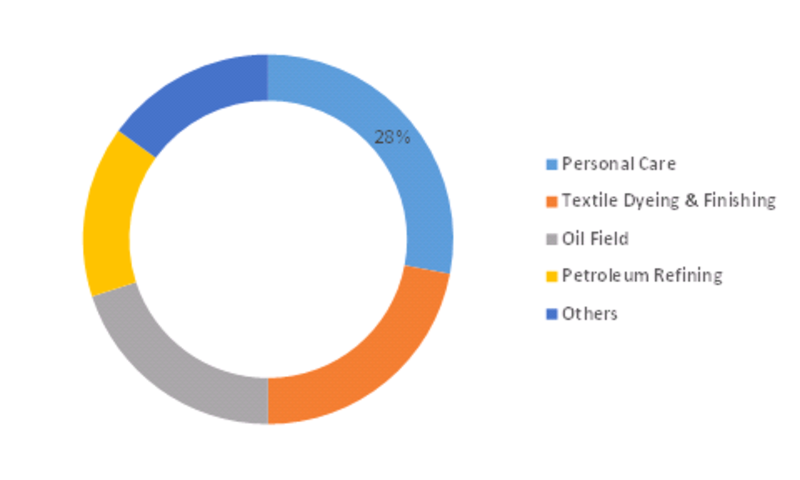
Based on Application, the Glycolic Acid Market has been segmented into personal care, textile dyeing and finishing, oil field, petroleum refining and others. The personal care application segment commanded for the major share in the Global Glycolic Acid Market owing to the high demand for Glycolic Acid in the production of various skin care products and hair nourishment solutions.

Regional Analysis:

Geographically, the Global Glycolic Acid Market has been segmented into Europe, North America, Latin America, Asia Pacific and the Middle East and Africa. The North America region commanded for the major share in the Global Glycolic Acid Market and has been forecasted to expand at a CAGR of 6.23% during the assessment period. Rise in demand for skin care products that have Glycolic Acid as their main component and growing application of Glycolic Acid in various end-use industries are propelling the growth of the Glycolic Acid Market in the North America region. Rise in research and development activities for introducing larger application areas of glycolic acid and increased production of product made from Glycolic Acid are fueling the growth of Glycolic Acid Market in the Europe region. Increased application of Glycolic Acid in rapidly growing personal care and textile industries in the emerging economies such as India, China and Australia are leading to the significant expansion of the Glycolic Acid Market in the Asia Pacific region. The Middle East and Africa region is projecting steady growth in the Global Glycolic Acid Market owing to the low utilization of personal care products that are rich with Glycolic Acid and low demand for Glycolic Acid in other industrial sectors of the underdeveloped areas in this region.

Browse Full Report Details @ https://www.marketresearchfuture.com/reports/glycolic-acid-market-3141                                      

About Market Research Future:

At Market Research Future (MRFR), we enable our customers to unravel the complexity of various industries through our Cooked Research Report (CRR), Half-Cooked Research Reports (HCRR), Raw Research Reports (3R), Continuous-Feed Research (CFR), and Market Research & Consulting Services.

MRFR team have supreme objective to provide the optimum quality market research and intelligence services to our clients. Our market research studies by Components, Application, Logistics and market players for global, regional, and country level market segments, enable our clients to see more, know more, and do more, which help to answer all their most important questions.

Contact: Market Research Future
+1 646 845 9312
Email: sales@marketresearchfuture.com

Epoxy Resin Market 2019 | Analysis Includes Growth, Trends, Technologies & Opportunities Forecast 2023

Market Segmentation:

MRFR’s segmentation of the Global Epoxy Resin Market has been performed on the basis of Type, Technology, Application, and Region.

Types of Epoxy Resins are segmented into glycidyl epoxy and non-glycidyl epoxy. Between these, the glycidyl epoxy segment has captured the most significant share of the market due to increasing use in automotive & building and construction industries.

By Technology, the Global Epoxy Resin Market is segmented into solvent cut epoxy, liquid epoxy, waterborne epoxy, and others. Among these, the liquid epoxy resin segment generated the most revenue at the start of the forecast period. However, the waterborne Epoxy Resin segment is on track to emerge at the fastest growing segment due to the rapid increase in the use of powder coatings.

Applications of Epoxy Resins can be found in automotive & transportation, building & construction, electrical & electronics, marine, adhesives & sealants, and others. The building and construction sector has developed rapidly to establish itself as a leader in the Global Epoxy Resin Market. Meanwhile, the automotive segment is growing rapidly and will likely display the highest CAGR during the review period.

Key Players:

BASF SE, Huntsman International LLC, Aditya Birla Chemicals, Ciech S.A, Spolchemie, Olin Corporation, and Kolon Industries, Inc among others have been profiled in MRFR’s competitive analysis of the Global Epoxy Resin Market.

Obtain a Sample copy of Latest Trends in Chemical Market @ https://www.marketresearchfuture.com/sample_request/1736

Latest Industry News:

Wessex Resins has announced that it has begun manufacturing ENTROPY RESINS under license for European, Indian and Middle Eastern & African markets. These epoxy resins have bio-based formulations.

Carbon has announced reduced prices for its most popular Epoxy Resins namely, EPX 82, EPU 41, and RPU 70. The move is expected increase access to Epoxy Resins for consumers and lead to the development of new applications and new opportunities.

Market Insights:

Epoxy Resins have a number of useful industrial applications which are anticipated to contribute to consistent demand and an increase in sales. The Global Epoxy Resin Market has been studied by Market Research Future in its newest report which reveals several key fact and figures regarding the market. The demand for Epoxy Resins is expected to grow to generate a market value of USD 10,620.5 Mn by the end of the market forecast period in 2023. The Global Epoxy Resin Market is projected to register a consistent CAGE of 5.24% during the assessment period from 2017 to 2023.

Used to reinforce and as an adhesive, the growing aerospace and automotive industries have accordingly increased demand. Increasing demand for fuel efficiency in automotive has increased the demand for high-performance plastics which are lightweight. Epoxy Resins are used as high performance adhesives as they provide strong bonds for most applications as well as better heat resistance and chemical resistance. Epoxy Resins offer excellent protection to electrical components from shortcuiting as well as dust and moisture. The demand for electrical components in automobiles as well as the high demand for electronics has influenced growth for the Global Epoxy Resin Market. The rapidly growing construction industry is another significant end-user of Epoxy Resins, particularly in emerging markets. Epoxy Resins have applications in paint & coatings as well as adhesives in the construction industry. Urbanization has resulted in a growing demand for residential as well as commercial buildings, thus increasing sales for Epoxy Resins.

Strict regulatory laws regarding the use of Epoxy Resins due to the health risks they present. Epoxy Resin hardeners are corrosive and have been classified as a carcinogenic. However, emerging markets in the Middle Eastern & African and Asia Pacific regions represent a massive opportunity for the Global Epoxy Market due to rapidly expanding construction sectors present in this part of the world.

Regional Analysis:

The Asia Pacific has secured a leadership position in the Global Epoxy Resin Market and is expected to grow at a considerable CAGR during the review period. The increasing demand for Epoxy Resin in the region’s expanding construction sector in tandem with the regions high demand for consumer goods is expected to keep the region in leadership position throughout the assessment period. North America follows the APAC epoxy resin market due to the high number of end-user industries in the region. The North American automotive market is a significant end-user of Epoxy Resins. Notably, the Latin American Epoxy Resin Market is emerging as the fastest growing regional market with the highest CAGR. Increasing construction activities and the establishment of automotive manufacturing in this region combined with pacifying socio-economic conditions are expected to yield increased demand for Epoxy Resins.

Browse Detailed TOC, Description, and Companies Mentioned in Report @ https://www.marketresearchfuture.com/reports/epoxy-resin-market-1736 
        
About Market Research Future:

At Market Research Future (MRFR), we enable our customers to unravel the complexity of various industries through our Cooked Research Report (CRR), Half-Cooked Research Reports (HCRR), Raw Research Reports (3R), Continuous-Feed Research (CFR), and Market Research & Consulting Services.

MRFR team have supreme objective to provide the optimum quality market research and intelligence services to our clients. Our market research studies by Components, Application, Logistics and market players for global, regional, and country level market segments, enable our clients to see more, know more, and do more, which help to answer all their most important questions.

Contact: Market Research Future
+1 646 845 9312
Email: sales@marketresearchfuture.com

Bio Polyamides Market 2019 | Trends, Top Manufactures, Market Dynamics, Industry Growth Analysis & Forecast 2023

Segment Analysis:

The Global Bio Polyamides Market is segmented into Type, Application, End Use, and Region.

On the basis of Type, the global market has been segmented into PA 6, PA 6, 6, and specialty polyamides. Among all, PA 6 (polyamide 6) was the dominant segment and accounted for 64.30% in 2016 due to various properties such as long term heat resistance, excellent surface quality, and UV resistance. 

Based on the Application, the global market has been segmented into engineering plastic and fiber. Engineering plastic segment dominated the global market and accounted for overall market share of 58.25% as of 2016. The engineering plastic gained market attraction in various end use industries owing to their recyclability, electromechanical resistivity, ductility, and creep resistance. The automotive industry consume goods, industrial are the key consumers of the engineering plastic and accounted for majority revenue.


Market Segmentation based on the End Use includes automotive, textile, electronics & electrical, films & coatings, consumer goods, industrial, and others. The others segment comprises sports industry, and medical industry. The automotive industry emerged as the market leader with the highest consumption of 25.80 kilo tons Bio Polyamides at a healthy CAGR of 3.10% as of 2016. In this industry, Bio-Polyamides are used in various applications such as engine components, fuel lines, air break lines, multilayer tube lines, and others. The textile industry was the second largest consumer of Bio-Polyamides and has been growing at the highest CAGR over the last few years due to fiber suitable applications of Bio Polyamides. Nevertheless, the consumer goods segment is growing at 3.27% and emerged as highly potential end use segment by representing dynamic growth. This is due to the wider application area of consumer goods industry coupled with increasing usage of Bio-Polyamides in this industry.

Market Highlights:

Commenting on this report, an analyst from Market Research Future (MRFR)’s team said, the Global Bio Polyamides Market was valued at USD 171.01 million in 2016 and is predicted to grow at 3.51% CAGR to reach USD 216.22 million by the end of 2023. Bio-Polyamides consumption has gained momentum due to its versatile nature and stringent regulations on excess consumption of synthetic polyamides.

Growing automotive industry, high adoption of Bio-Polyamides in end use industries, versatile nature along with superior properties associated with it drive the growth of the market. Growing use of bio polyamides in the consumer goods segment anticipated to complement market growth over the review period. Furthermore, due to fiber suitable application of Bio-Polyamides, the textile industry is expected to be the major contributor to the growth of the market over the forecast period. However, the global growth of this market is restrained by unstable prices of raw material. 

Regional Analysis:

The Global Bio-Polyamides Market is segmented into five regions namely North America, Europe, Asia Pacific, Latin America, and the Middle East & Africa. Among all the regions, Asia Pacific was the largest market for Bio Polyamides followed by North America and Europe region. As of 2016, the region accounted for 44% of the global market share and it is likely to reach USD 96.39 million by 2023 growing at CAGR of 3.70%. North America is the second largest market closely followed by Europe, which is another growth attracting market. The region registered the second largest automotive production after China by complimenting regional growth. Whereas, European regulations pertaining to CO2 emission and green initiatives expected to offer lucrative growth prospects in the coming years.

Get PDF Brochure for more Professional & Technical Industry Insights: https://www.marketresearchfuture.com/reports/bio-polyamide-market-4440   
        
About Market Research Future:

At Market Research Future (MRFR), we enable our customers to unravel the complexity of various industries through our Cooked Research Report (CRR), Half-Cooked Research Reports (HCRR), Raw Research Reports (3R), Continuous-Feed Research (CFR), and Market Research & Consulting Services.

MRFR team have supreme objective to provide the optimum quality market research and intelligence services to our clients. Our market research studies by Components, Application, Logistics and market players for global, regional, and country level market segments, enable our clients to see more, know more, and do more, which help to answer all their most important questions.

Contact: Market Research Future
+1 646 845 9312
Email: sales@marketresearchfuture.com

Tuesday, 5 February 2019

Smart Polymers Market 2019 | Analysis Includes Growth, Trends, Technologies & Opportunities Forecast 2023

Smart Polymers Market – Overview:

Smart Polymers are those able to modify their physical and chemical properties in response to the variation of environmental factors. Smart Polymer systems can be designed to respond to a wide range of parameters, such as changes in pH, ionic strength, temperature, magnetic and electric field. These Smart Polymers can behave in several ways by altering solubility, shape, color, light transmitting abilities, wettability, conductivity, and surface characteristics. The extend of response of such polymers can be controlled by the intensity of the applied stimuli.

Now a days, the demand for Smart Polymers is increasing in biotechnology and medicine, electrical & electronics and automotive. Smart Polymers have also been useful as drug delivery systems and in the biotechnological field for enzyme immobilization. Despite, coating medical devices with smart polymers may significantly widen their range of applications. Devices able to attract certain cells of the body or devices that should perform as membranes or artificial muscles take advantage of these smart materials. A surface grafted with Smart Polymers has been highlighted for its interfacial and wetting applications. For example, a smart surface with switchable wettability could be potentially used in tissue engineering and antimicrobial coatings. In addition to this, a smart polymer material responsive to light or temperature could also be effectively used as a sensor which may drive the Global Smart Polymer Market. Presently, smart polymers have been mainly emphasized for their potential applications in nanotechnology, nanoscience, and nanomedicine.

Receive a Sample Report for more Detailed Information @ https://www.marketresearchfuture.com/sample_request/4719

Competitive Landscape:

The MRFR studies the key developments adopted by the companies between 2011 and 2016. Players in this market adopted various strategies to expand their footprint and augment their market share. The key strategies followed by most companies in the global smart polymer market were agreements and collaborations, mergers and acquisitions, joint ventures and expansion. Due to high demand of Smart Polymer in North America region, the manufacturers in North America region are using acquisition strategy of local producers in the other regions to increase their global market share.

Industry/ Innovation/ Related News:

February 2017 – A variety of stimuli-responsive polymers have been developed by researchers and used as actuators and/or artificial muscles, with the movement being driven by an external stimulus, such as electrical potential. Researchers highlighted actuators constructed from liquid-crystal elastomers, dielectric elastomers, ionic polymers, and conducting polymers. Researchers also discussed recent examples of a variety of actuators generated from these materials and their utility. The mechanism of actuation is detailed for most examples in order to stimulate possible future research, and lead to new applications and advanced applications.

2017– Multi-functional nanoshuttles for remotely targeted and on-demand delivery of therapeutic molecules and imaging to defined tissues and organs hold great potentials in personalized medicine, including precise early diagnosis, efficient prevention and therapy without toxicity. Yet, in spite of 25 years of research, there are still no such shuttles available. To this end, researchers have designed magnetic and gold nanoparticles (NP)-embedded silica nanoshuttles (MGNSs) with nanopores on their surface. Fluorescently labeled Doxorubicin (DOX), a cancer drug, was loaded in the MGNSs as a payload. DOX loaded MGNSs were encapsulated in heat and pH sensitive polymer P(NIPAM-coMAA) to enable controlled release of the payload. Magnetically-guided transport of MGNSs was examined in: (a) a glass capillary tube to simulate their delivery via blood vessels; and (b) porous hydrogels to simulate their transport in composite human tissues, including bone, cartilage, tendon, muscles and blood–brain barrier (BBB). The viscoelastic properties of hydrogels were examined by atomic force microscopy (AFM). Cellular uptake of DOXloaded MGNSs and the subsequent pH and temperature-mediated release were demonstrated in differentiated human neurons derived from induced pluripotent stem cells (iPSCs) as well as epithelial HeLa cells. The presence of embedded iron and gold NPs in silica shells and polymer-coating are supported by SEM and TEM. Fluorescence spectroscopy and microscopy documented DOX loading in the MGNSs. Time-dependent transport of MGNSs guided by an external magnetic field was observed in both glass capillary tubes and in the porous hydrogel. AFM results affirmed that the stiffness of the hydrogels model the rigidity range from soft tissues to bone. pH and temperature-dependent drug release analysis showed stimuli responsive and gradual drug release. Cells’ viability MTT assays showed that MGNSs are non-toxic. The cell death from on-demand DOX release was observed in both neurons and epithelial cells even though the drug release efficiency was higher in neurons. Therefore, scientists have development of smart nanoshuttles have significant translational potential for controlled delivery of theranostics’ payloads and precisely guided transport in specified tissues and organs (for example, bone, cartilage, tendon, bone marrow, heart, lung, liver, kidney, and brain) for highly efficient personalized medicine applications.

  
Smart Polymers Market - Regional Analysis

North America region accounted largest market share in the Global Smart Polymer Market and expected to dominate during the forecast period due to advancement in drug delivery, nanotechnology, nanoscience, and nanomedicine and penetration of end user industry in the region. The unique properties of smart polymer to respond to a wide range of parameters, such as changes in pH, ionic strength, temperature, magnetic and electric field which makes it ideal in biotechnology and medicine, electrical & electronics that drive smart polymer market in North America region. North America market is mainly occupied by the U. S. being largest consumer and manufacturer and exporter of smart polymer. Europe is the second largest market for smart polymer followed by North America.                                 
About Market Research Future:

At Market Research Future (MRFR), we enable our customers to unravel the complexity of various industries through our Cooked Research Report (CRR), Half-Cooked Research Reports (HCRR), Raw Research Reports (3R), Continuous-Feed Research (CFR), and Market Research & Consulting Services.

MRFR team have supreme objective to provide the optimum quality market research and intelligence services to our clients. Our market research studies by Components, Application, Logistics and market players for global, regional, and country level market segments, enable our clients to see more, know more, and do more, which help to answer all their most important questions.

Contact: Market Research Future
+1 646 845 9312
Email: sales@marketresearchfuture.com

Hydrogel Market 2019 | Trends, Top Manufactures, Market Dynamics, Industry Growth Analysis & Forecast 2023

Future Drivers and Constraints Affecting the Market Growth

Hydrogel is known for its lubricious, permeable, viscoelastic, and multifunctional properties which provides comfort, flexibility, and biocompatibility. Owing to the growing production in contact lenses, personal hygiene, agriculture, and healthcare products, the market is anticipated to expand during the assessment period. Moreover, the healthcare sector along with the hygiene sector is set to witness the highest growth rate owing to the consumption of products such as baby diapers, perfumes, and several others. Increasing awareness regarding the availability of Hydrogel formulations has galvanized R&D investment to develop new products which is supposed to be viewed as a bellwether for the growth of Global Hydrogel Market over the review period.

Hydrogels are also used in hygiene and personal care sector due to its good oxygen permeability, soft and tissue-like properties, superior biocompatibility, water absorption, and microporous structure. With the increase in hygiene awareness, aging population and growing infant, and rising demand for feminine hygiene products is expected to spur the market growth over the forecast period.

Meanwhile, high cost related to complex production process of hydrogel coupled with environmental hazards from disposable synthetic hydrogel products are some of the major factors restraining the growth of the market globally.

Industry News:

In May 2018, Ambu acquired Invendo Medical GmbH which is a leading developer of sterile single-use high-definition endoscopy products in gastrointestinal and gastroenterology surgery fields.

Competition Analysis:

The prominent players operating the market for Hydrogel globally are Alliqua BioMedical Inc (U.S.A), R&D Medical Products Inc (U.S.A), The Cooper Companies Inc. (U.S.A), Johnson & Johnson Private Limited (U.S.A), Cardinal Health (U.S.A), Dow Corning Corporation (U.S.A), Axelgaard Manufacturing Co. Ltd.(U.S.A), BSN medical (Germany), H.B. Fuller Company (U.S.A), and others.


Market Overview:

According to a new report by Market Research Future, (MRFR), the global market for Hydrogel is anticipated to expand at a staggering CAGR during the forecast period (2017-2023) due to the increasing utilization of hydrogels in the healthcare sector. Used in several applications such as healthcare, contact lenses, agriculture, tissue engineering. Drug delivery, and others, hydrogel is lubricious, viscoelastic, permeable, and multifunctional in nature. Hydrogel is composed of a 3D network structure which can hold up to large volumes of water and is manufactured using polyvinyl alcohol, sodium polyacrylate, acrylate polymers, and several other polymers. Hydrogel with an optimum degree of crosslinking provides strong and elastic properties which are used as sanitary purposes, medical electrode in ECG, and also in breast implants.

North America to Hold the Largest Market Share

Geographically, the market has been spanned across five major regions such as North America, Asia Pacific, Latin America, Europe, and the Middle East and Africa. North America is anticipated to hold the largest market share, owing to the high demand for Hydrogel in biotechnology, agriculture, medicine, tissue engineering, and others. The segment for contact lenses is anticipated to showcase a rapid growth during the assessment period owing to the rising production and consumption in regions like Canada, U.S.A., and Mexico. The tissue engineering segment is also expected to showcase a higher growth rate over the review period.

The Asia Pacific region has achieved an extensive growth owing to the rising per capita income and growing population. Due to the presence of countries like Japan, China, and India, the market is expected to expand in the coming years. The segment for synthetic hydrogel is anticipated to witness a higher CAGR due to its increasing demand in healthcare and hygiene, agriculture, drug delivery systems and others in this region.

Europe has been observed to show significant progress due to its increasing demand for personal and healthcare products like sanitary napkins, baby diapers, and paper towels. With the technological advancements and high disposable income, the market is expected to grow at a higher rate. Italy, Germany and the U.K. are the leading players in this region.

Owing to the increasing consumption of Hydrogel in biotechnology and medicine, tissue engineering, and contact lenses, the Latin American region is anticipated to witness a growth in the years to come. Moreover, the Middle East and Africa are expected to witness a higher growth rate over the assessment period due to the high demand of Hydrogel in wound dressing, tissue engineering, and drug delivery systems.

Get Research Report Overview @ https://www.marketresearchfuture.com/reports/hydrogel-market-4744      

Smart Polymers Market – Regional Analysis

North America region accounted largest market share in the Global Smart Polymer Market and expected to dominate during the forecast period due to advancement in drug delivery, nanotechnology, nanoscience, and nanomedicine and penetration of end user industry in the region. The unique properties of smart polymer to respond to a wide range of parameters, such as changes in pH, ionic strength, temperature, magnetic and electric field which makes it ideal in biotechnology and medicine, electrical & electronics that drive smart polymer market in North America region. North America market is mainly occupied by the U. S. being largest consumer and manufacturer and exporter of smart polymer. Europe is the second largest market for smart polymer followed by North America. 
                                 
About Market Research Future:

At Market Research Future (MRFR), we enable our customers to unravel the complexity of various industries through our Cooked Research Report (CRR), Half-Cooked Research Reports (HCRR), Raw Research Reports (3R), Continuous-Feed Research (CFR), and Market Research & Consulting Services.

MRFR team have supreme objective to provide the optimum quality market research and intelligence services to our clients. Our market research studies by Components, Application, Logistics and market players for global, regional, and country level market segments, enable our clients to see more, know more, and do more, which help to answer all their most important questions.

Contact: Market Research Future
+1 646 845 9312
Email: sales@marketresearchfuture.com